Shri Ram Janmabhoomi Temple’s Gold-Plated Shikhar: A Symbol of Devotion and Craftsmanship

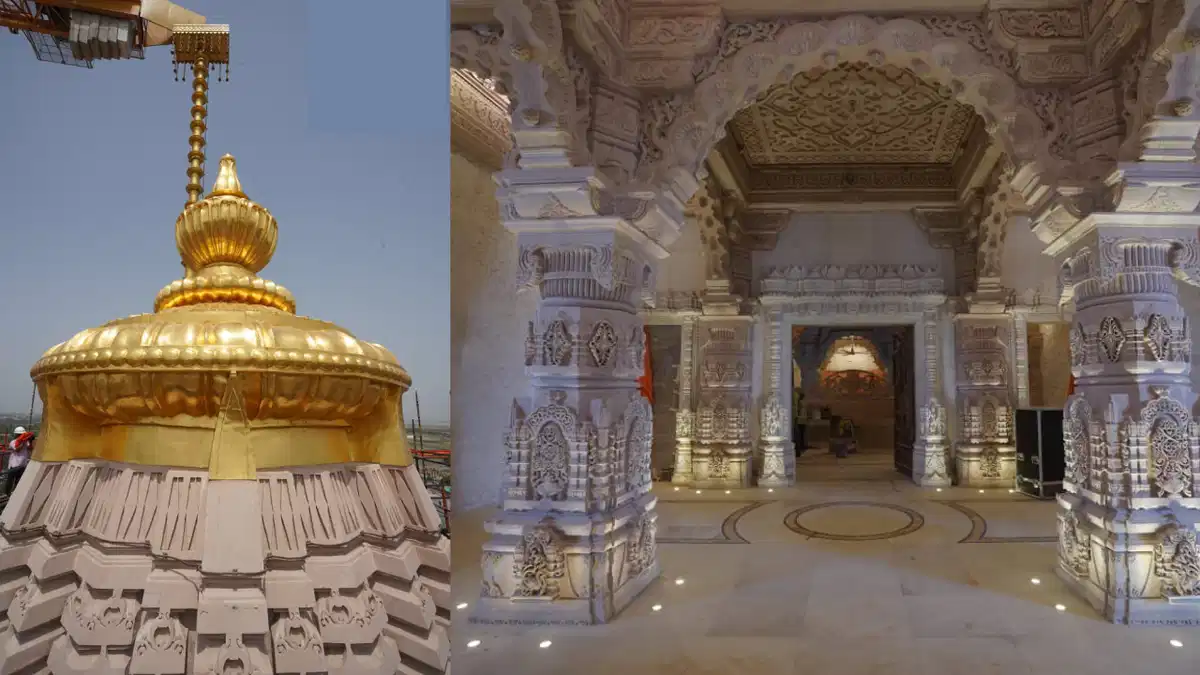
On June 2, 2025, the Shri Ram Janmabhoomi Temple in Ayodhya reached a historic milestone with the ceremonial installation of a gold-plated kalash (sacred urn) atop its main shikhar (spire), marking the near completion of the temple’s towering pinnacle. This 161-foot-high shikhar, adorned with 61 kilograms of gold plating, stands as a radiant symbol of faith, architectural grandeur, and India’s rich cultural heritage. As part of the ongoing construction of the Ram Mandir, this development has captivated devotees and showcased the meticulous craftsmanship behind one of India’s most revered religious landmarks. This article explores the significance of the gold-plated shikhar, its construction details, and its cultural and spiritual impact.
The Significance of the Gold-Plated Shikhar
The Shri Ram Janmabhoomi Temple, built on the believed birthplace of Lord Ram in Ayodhya, Uttar Pradesh, is a monumental project overseen by the Shri Ram Janmabhoomi Teerth Kshetra Trust. The decision to adorn the temple’s main shikhar with gold reflects both spiritual reverence and aesthetic ambition. Gold, in Hindu tradition, symbolizes purity, prosperity, and divine presence, making it a fitting choice for the temple’s crowning feature. The shikhar, a hallmark of Nagara-style architecture, is not merely a structural element but a spiritual conduit, believed to connect the earthly realm with the divine.
The installation of the gold-plated kalash on June 2, 2025, ahead of the Ram Darbar Pran Pratishtha ceremony, was celebrated with great fervor. The Shri Ram Janmabhoomi Teerth Kshetra Trust shared images of the shimmering shikhar on social media, describing it as a “divine, gold-adorned” pinnacle, evoking pride among devotees worldwide. The event coincided with the completion of the temple’s first floor, further advancing the complex toward its anticipated full completion by mid-2025.
Engineering and Craftsmanship
The gold-plating of the shikhar, covering the top 10 feet of the 161-foot structure, required 61 kilograms of gold, meticulously applied to enhance the temple’s visual splendor. The process, executed by skilled artisans, involved coating the kalash and surrounding spire with gold to ensure durability and resistance to environmental factors. The temple’s construction, led by Larsen & Toubro and guided by the architectural vision of C.B. Sompura, adheres to ancient Nagara-style principles, using special steel for structural strength and pink sandstone for the main body.
The shikhar’s design incorporates intricate carvings and ornamental motifs, reflecting the traditional craftsmanship of Indian temple architecture. The gold plating not only enhances the aesthetic appeal but also ensures longevity, with the temple engineered for a lifespan exceeding 2,500 years, as per the Trust’s claims. The Security Printing & Minting Corporation of India played a key role in the gold-plating process, ensuring precision and quality. The kal Topic: Shri Ram Janmabhoomi gold plating shikhar
ash installation ceremony on April 14, 2025, marked a significant step, followed by the gold-plating completion in early June, as reported by Zee News and other outlets.
The temple complex, spanning 2.77 acres, features additional shikhars on smaller shrines dedicated to deities like Surya, Ganesh, Shiva, Durga, Annapurna, and Hanuman, with plans to gold-plate their kalashes in subsequent phases. The main shikhar’s gold adornment sets a precedent for these future enhancements, aiming to create a cohesive and resplendent aesthetic across the complex.
Cultural and Spiritual Impact
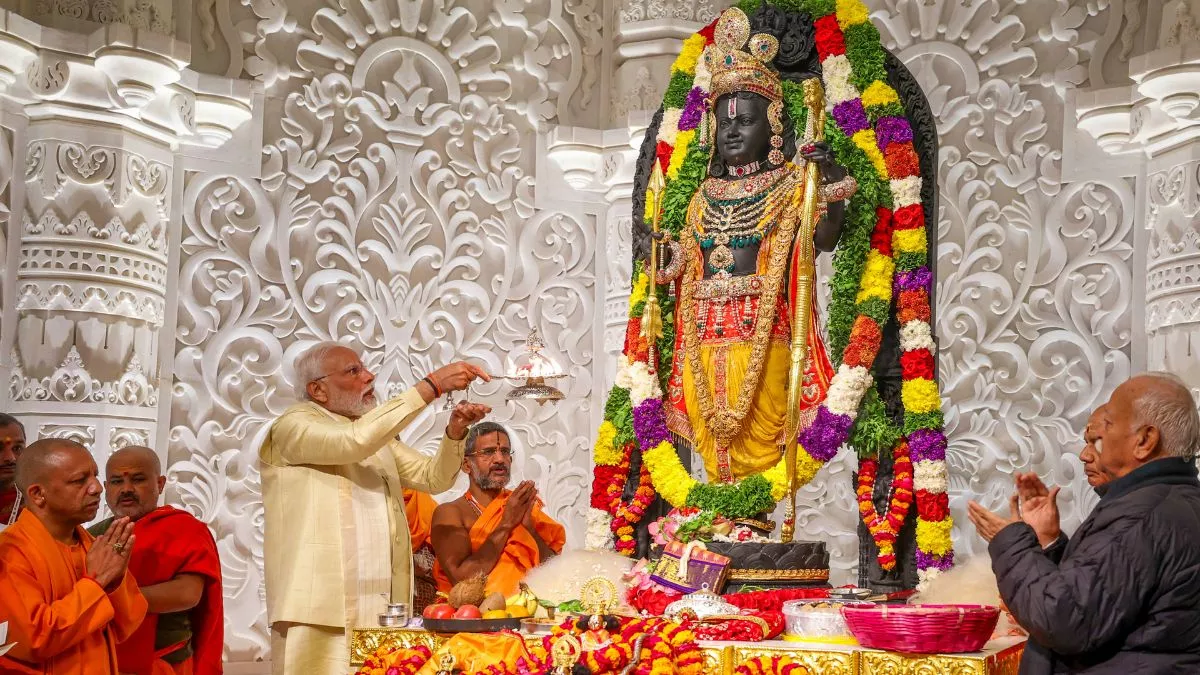
The gold-plated shikhar has resonated deeply with devotees, symbolizing the culmination of centuries-long aspirations for a grand Ram Mandir at Lord Ram’s birthplace. The temple, inaugurated on January 22, 2024, by Prime Minister Narendra Modi, has already drawn millions for darshan and aarti, with the Surya Tilak ceremony—where sunlight illuminates Ram Lalla’s forehead—captivating global audiences. The gold-adorned shikhar elevates this spiritual experience, its gleam visible from afar, drawing pilgrims to Ayodhya.
Social media posts on X captured the public’s awe, with users like @HemanNamo praising the shikhar as a “true marvel of devotion and heritage,” built to ancient norms with modern engineering. The Trust’s post on June 2, 2025, showcasing the shikhar and first floor, garnered widespread admiration, reinforcing the temple’s role as a unifying cultural symbol. Chief Minister Yogi Adityanath hailed the construction as a testament to India’s Sanatan culture, strengthening its global presence.
The shikhar’s gold plating also reflects the generosity of devotees, with over 500 kilograms of silver and significant gold donations contributed to the Trust. Notable contributions include 47 grams of gold and 167 kilograms of silver from the Kashi Haridwar Peeth, alongside proposals for a gold-plated throne for Ram Lalla, crafted by Rajasthan artisans. These offerings underscore the collective devotion driving the temple’s grandeur.
Construction Milestones and Future Plans
The Shri Ram Janmabhoomi Temple’s construction has progressed rapidly since its groundbreaking in August 2020, following the Supreme Court’s 2019 verdict. The ground floor, housing the sanctum sanctorum with Ram Lalla’s idol on an eight-foot gold-plated marble throne, was completed by December 2023. The first floor, including the Ram Darbar, is nearing completion, with consecration ceremonies planned for June 2025. The Trust, chaired by Mahant Nrityagopal Das and guided by construction committee head Nripendra Misra, aims to finalize the entire complex, including a four-kilometer security wall, by late 2025.
The gold-plating of the shikhar is part of a broader vision to adorn the temple’s 18 doors and multiple shrines with gold and silver, enhancing its sanctity and visual appeal. The Trust has also prioritized devotee facilities, with a passenger convenience center and parikrama marg (circumambulatory path) already operational. The temple’s museum on the third floor will showcase Ayodhya’s history, further cementing its status as a cultural and spiritual hub.
Conclusion
The gold-plated shikhar of the Shri Ram Janmabhoomi Temple stands as a beacon of faith, craftsmanship, and national pride. Its radiant kalash, installed on June 2, 2025, marks a pivotal moment in the temple’s journey, blending ancient architectural traditions with modern engineering. As the temple complex nears completion, the shikhar’s golden glow symbolizes Lord Ram’s enduring legacy, drawing millions to Ayodhya and reinforcing India’s spiritual heritage. This architectural marvel, built with devotion and precision, is poised to inspire generations, embodying the timeless mantra, “Jai Shri Ram.”